Projects

UNOC, Government and Partners Join CSOs on Project Monitoring Visit

Published: October 8, 2026
UNOC, Government and Partners Join CSOs on Project Monitoring Visit

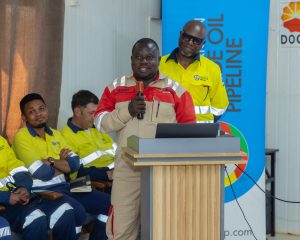
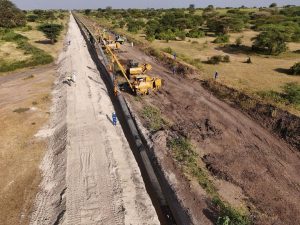
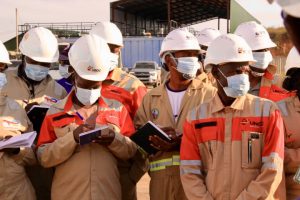
Uganda’s oil and gas sector has pushed for projects that put Ugandans and the livelihoods of host communities first. This week, UNOC, Government entities and Joint Venture Partners joined Civil Society Organisations and NGOs on a monitoring visit to see progress firsthand.

The delegation engaged stakeholders and assessed initiatives supporting affected communities. Visits like this give CSOs and NGOs the chance to check that commitments to local livelihoods and environmental protection are being met.

Projects

Gas from Oil Projects to Protect Environment, Boost Health

Oil & Gas in Uganda

Published: October 2, 2026

By Herbert Yiga Ssempogo

Growing up in Kitovu, Masaka, I knew that my family, like many others, grappled with energy poverty – the lack of affordable, efficient energy.

As is the case in most homes today, the use of charcoal in peri-urban Kitovu was widespread. Families, which couldn’t afford charcoal used firewood from forests, both natural and planted.

In the 90’s, there was an “innovation”; someone noticed that sawdust could provide energy. My family immediately adopted the trend. Young and energetic, I rode a bicycle to carpentry workshops in Nyendo, Kitovu “Teko” (technical institute) and Masaka town, to collect sawdust from furniture workshops. It was time-consuming and risky – the busy roads and bending below machines to gather sawdust. Although sawdust cooked faster, like firewood, it emitted smoke! Charcoal is probably worse as it emits carbon monoxide, causing death when used in poorly ventilated rooms.

According to the World Health Organisation (WHO), around 2.3 billion people still cook using solid fuels (such as wood, crop waste, charcoal, coal and dung) and kerosene in open fires and inefficient stoves. The majority, says WHO, are the poor in low and middle-income countries.

Years later, with streaks of gray visible in my hair and beard, indicating the passage of time, energy poverty is still a countywide challenge! Even the affluent always have a bag of charcoal, ‘just in case’. Kampala-bound pickup trucks laden with charcoal are a common sight on all roads from upcountry.
Energy poverty has grossly affected Uganda’s tree cover. According to the Global Forest Watch, in 2010, Uganda had 6.92 million hectares of natural forest, extending over 29% of its land area. In 2023, it lost 68.7 thousand hectares of natural forest, equivalent to 36.3 metric tons of CO₂ emissions.
According to the Clean Cooking Alliance, 2.4 billion people, or 40% of the world’s population, rely on open fires and inefficient fuels such as wood, charcoal, coal, and kerosene for cooking.

“Lack of access to clean cooking solutions forces women and children in many developing countries to spend as much as 10 hours a week collecting fuel. In some cases, women provide 91% of households’ total efforts to collect fuel and water. Women have an average working day of 11-14 hours, compared to an average of 10 hours for men.”

But there’s hope; efficient energy will soon be available. As the clock ticks towards 2025, much of the Ugandan public interest is focused on the country’s black gold (oil). Yet, thankfully, a solution to the lingering energy poverty is part of the oil production and refining activities.

Oil and gas are akin to twins. For years, unwanted gas was flared (burnt) during production. However, this has side effects and was outlawed in Uganda. Cognizant of the country’s energy challenge, the key oil and gas projects – Tilenga and Kingfisher – will produce liquefied petroleum gas (LPG).

Starting with the Kingfisher project in Kikuube district, it will produce 17,000 kilotons of LPG per year. To that end, on 23, January 2024, CNOOC Uganda on behalf of joint venture partners TotalEnergies and Uganda National Oil Company (UNOC), received a five-year license to construct and operate a gas conversion storage facility. The facility is in sync with the oil production activities.

Similarly, Tilenga in Buliisa and Nwoya will produce 80,000 kilotons of LPG per year. According to TotalEnergies EP Uganda officials, producing the gas is part of the project’s carbon footprint reduction plan and reduction of greenhouse gases (GHGs). Increased GHGs create a layer, which traps heat dramatically increasing temperatures, an undesirable situation.

On the other hand, the Uganda refinery (co-managed by UNOC) will produce 658 tons of LPG per day. Ahead of the gas production from Tilenga, Kingfisher and the refinery, UNOC is expected to roll out a project focusing on bulk LPG for institutions like schools. The projects’ output will ensure availability.

To popularize the use of gas in homes, in July 2022, the Ministry of Energy and Mineral Development (MEMD) launched a campaign to popularize LPG. Energy and Mineral Development Minister, Ruth Nankabirwa then said a total of one million cylinders weighing 13 kilograms would be distributed. The target, she disclosed, was to increase its household usage from 0.8% to 20% by 2030. Since the launch of this project in 2022/2023, a total of 13,733 kits have been distributed in Mukono, Kampala and Wakiso. Earlier in the 2020/21 financial year, the Government had exempted LPG from Value Added Tax. In 2022, imports jumped to 32,994,793 from 25,274, 173 in 2021.

Compared to charcoal and firewood, LPG doesn’t emit harmful smoke and lethal fumes like carbon monoxide, ash or soot. This makes it suitable for indoor use. Several health complications have been linked to inhalation of fumes off charcoal and firewood. According to WHO, each year, 3.2 million people die prematurely from illnesses attributable to household air pollution caused by the incomplete combustion of solid fuels and kerosene used for cooking. Particulate matter and other pollutants in household air pollution inflame the airways and lungs, impair immune response and reduce the oxygen-carrying capacity of the blood.

A healthy population means more productivity and, ultimately, a better standard of living.

In a recent article, CNOOC Uganda Limited noted the ease of refilling, transport and ignite LPG as some of its advantages, in comparison to charcoal and firewood.

“LPG is known for its high energy efficiency, which is a significant advantage over many other cooking fuels. It has a high calorific value, meaning it can produce more heat per unit than solid fuels like wood and charcoal making. This not only conserves fuel but also reduces cooking costs over time.”
The benefits of Uganda’s oil and gas projects, therefore, go beyond revenues from the sale of crude oil and refined products. They stretch to protection of the environment through efficient sources of energy like LPG. END

The writer is a Senior Corporate Relations Officer at Uganda National Oil Company (UNOC)

Projects

Inter-Religious Council of Uganda Leaders Endorse Uganda’s Oil and Gas Projects

Oil & Gas in Uganda

Published: October 2, 2026

The Uganda National Oil Company spent four days hosting the Inter-Religious Council of Uganda (IRCU) for an exclusive tour of the Oil and Gas Project areas. Founded in 2001, the Inter-Religious Council of Uganda (IRCU), is an indigenous, national faith-based organization uniting efforts of religious institutions to jointly address issues of common concern. IRCU is constituted by the Roman Catholic Church, the Church of the Province of Uganda, the Uganda Orthodox Church, the Uganda Muslim Supreme Council, the Seventh-day Adventist Uganda Union, the Born-Again Faith in Uganda and the National Alliance of Pentecostal and Evangelical Churches in Uganda.

The immersive tour kicked off at the IRCU headquarters, where the clergy were flagged off by Hon Peter Lokeris, the Minister of State for Mineral Development. The significance of this collaboration was underscored by UNOC’s Chief Legal & Corporate Affairs Officer, Peter Muliisa.

He emphasized the crucial need for sustainable exploration and resource utilization within the sector. He also highlighted the pivotal role of IRCU in disseminating essential information about these monumental projects to the wider population.

The expedition commenced with a visit to the Uganda Petroleum Institute of Kigumba (UPIK). IRCU leadership had paid a prior visit in 2009 when UPIK was a mere forest, commissioned by President Yoweri Museveni. They were astonished that the once-thick foliage has transformed into a fully-fledged technical institute, diligently training, and producing skilled technicians for the oil and gas sector.

An inspiring success story emerged during the visit about Collins Mwesiga, who started as a cleaner at UPIK seven years ago and absorbed knowledge and training during his cleaning duties. Recognizing his brilliance, the institute supported him in acquiring numerous certifications. Today, he serves as a workshop technician, a testament to the transformative power of education and opportunity in Uganda’s Oil and Gas sector.

The Inter-Religious Council of Uganda’s tour of Uganda’s Oil and Gas projects saw the days begin with sessions of devotion led by the religious leaders followed by comprehensive briefings from Peter Muliisa, the Chief Legal and Corporate Affairs Officer. The focus of the briefings was on Uganda’s oil and gas sector, covering key updates on various projects, including Tilenga, Kingfisher and Kasuruban, a prospective oil and gas block. Others were the EACOP, Kabalega Industrial Park, refinery, Kabalega International Airport, Jinja and Kampala storage terminals, and crude oil trading.

The activities progressed with a visit to Kabalega Industrial Park (KIP), a strategic site that will encompass Uganda’s second International Airport, a Crude Oil Export hub, the Uganda Refinery, and facilities for petrochemical and fertilizer industries, among others. The tour included insights into the multifaceted aspects of the park’s development.

Following the KIP visit, the team paid a visit to Enviroserv, an Oil and Gas waste management company. The importance of this visit lay in understanding the crucial role played by Enviroserv in managing the hazardous wastes generated by petrochemical production processes. The handling of such wastes requires a high level of expertise to ensure proper and environmentally conscious management.

The last day marked the conclusion of the Inter-Religious Council of Uganda’s tour of the country’s Oil and Gas projects. A notable highlight was the visit to the Tilenga Project, under the management of TotalEnergies E&P Uganda. The group had the privilege of exploring various facets of the project, including the Industrial Area (Central Processing Facility) and the associated camps.

A significant aspect of the visit involved interacting with Project Affected Persons (PAPs), who have experienced positive transformations in their living conditions due to the project. The council took the time to visit these individuals in their new and improved resettlement housing, gaining firsthand insights into the improvements in their lives. (Before and after pictures of housing)

During these interactions, the council had the opportunity to hear testimonials from the PAPs, shedding light on how their livelihoods have been positively impacted by the project. A noteworthy example was a member of the community who, thanks to the project, has embarked on the production and sale of honey. Her inspiring journey was shared with the religious leaders, culminating in a heartening moment as she successfully sold all her honey to them. The leaders closed off the visit by praying for and blessing both the projects and the people working day and night to implement them.

This collaborative endeavour between UNOC and IRCU underscores the commitment to sustainable practices and inclusive information dissemination for the benefit of the nation. END

Projects

Kingfisher Project Drilling Launched

Oil & Gas in Uganda

Published: October 2, 2026

A TARMAC road snakes its way to an expanse of land below an escarpment.

On the shores of Lake Albert, and in what is known as the Albertine Graben, the flat land is a beehive of activity.

Once a remote settlement comprising homes, and attendant activities, Buhuka, characterised by a fish-eating bird the Kingfisher-is totally transformed today.

Located in Kyangwaali, Kikuube District, it is a portion of the Kingfisher Development Area, one of Uganda’s two upstream oil and gas projects.

It was there that exploration activities discovered oil at a depth of 2125 meters in 2006. Three more wells thereafter encountered viable reserves, according to the Petroleum Authority of Uganda (PAU). This became Uganda’s second commercial discovery after the Waraga oil field a few kilometers away.

The Kingfisher oil field is about 15kms long and 3kms wide and is about 2kms below Lake Albert. It is estimated to have a total of 560M barrels of crude oil in place, out of which, 190 million barrels of oil (33%) is expected to be produced over a 20-25-year period.

It has 31 oil wells. Of these, 20 are production while 11 will be used to inject water to boost production.

Kingfisher will produce 40,000 barrels of crude oil per day for five years, after which production will decline. To maintain the plateau, production will then include Waraga, Mputa and Nzizi oil fields in Kaiso Tonya, a few kilometers from Kingfisher.

Following the announcement of the Final Investment Decision (FID) early last year, CNOOC Uganda Limited (28.33%), UNOC (15%) and TotalEnergies (56.67%) ramped up activity with the tier one contractors.

In July 2022, a rig was shipped to Uganda and has since been hoisted atop Kingfisher’s Well Pad 2 where construction had started earlier in the year.
On January 24th, 2023-history was made when drilling was launched, erecting a milestone on Uganda oil and gas journey ahead of first oil in 2025.

Chief guest, H.E. President Yoweri Museveni hailed the joint venture partners for the impressive progress on the projects. He reaffirmed commitment to continue with the projects.

The President said that the projects would help to address some of the environmental challenges through production of liquified petroleum gas (LPG). A total of 200,000 metric tonnes of LPG from the upstream and a refinery in Hoima, will reduce reliance on charcoal and firewood.

Uganda, he pointed out, had made the right decision to acquire expertise through training (of citizens) before embarking on exploration.
Chinese Ambassador to Uganda, H.E. Zhang Lizhong reiterated his government’s commitment to ensuring that Ugandans benefit from the project.

“In the case of CNOOC Uganda Limited, they and their contractors have already employed more than 3,500 local workers. The amount regarding contracts awarded to Ugandan companies has reached 61 million dollars (excludes sub-contracts value),” he said.

“On the other hand, CNOOC Uganda Limited has delivered training programs to more than 300 oil and gas business contractors and about 3,000 oil and gas personnel.”
PAU Executive Director, Ernest Rubondo said the rig-LR8001-was specially designed for the Kingfisher project. PAU is the sub-sector regulator.

“It has the capacity to drill up to eight kilometers long with noise suppressing technology making it more environmentally friendly. The wells to be drilled in the Kingfisher field will vary from 2600 metres to 7400 metres in length depending on how far the targeted reservoir is from the location where drilling will start,” he stated.

On environment protection, he said PAU was “working with” the National Environment Management Authority and other agencies to “ensure the strictest environmental and safety practices and technology in the planning execution and decommissioning of the oil and gas projects in Uganda including the Kingfisher project.”
When drilling is completed, production tubing is installed and a well is suspended ahead of production.

Drilling for Tilenga, the sister oil and gas project, is expected soon following the arrival and ongoing assembling of a rig. Two more drilling rigs for Tilenga are on the way.

While the winding tarmac road ends at Buhuka, Uganda’s journey to oil and gas will continue into the foreseeable future with benefits for the country and citizens. END

Projects

Oil and Gas Projects Improving Livelihoods

Oil & Gas in Uganda

Published: October 2, 2026

It is a few minutes past 10:00AM but it is quite hot, weather probably typical of this part of the country.

A breeze glides from nearby Lake Albert, easing the heat on people seated in two tents directly opposite each other. In a big tent, and probably for good reason, are local communities-beneficiaries of a resettlement action plan (RAP) while in the other tent are officials from the Government and oil companies.

This is Buliisa one of the three districts where the Uganda’s Upstream oil and gas activities have intensified. Specifically, it is Kirama, Kigwera sub-county.

The local communities are the day’s focus. Accordingly, they are accorded the opportunity to address the gathering before the officials speak.

Lean Brian Sunday is among them. He struggled with school fees until he got a TotalEnergies scholarship, which supported his Advanced Level education.

“I don’t know where I would have been without this support. My parents did not have enough resources after senior four. My career has been shaped by TotalEnergies,” he stated. After the Advanced Level at Namilyango College, he pursued a degree at Kyambogo University before a drilling and completions course in France.

Similarly, Robert Konyezi was grateful for her daughter’s education just like Casbert Arinaitwe, who was supported to study “mechanical engineering and coded welding”.

At 28, he has a modern four-room permanent house with solar power and others, thanks to TotalEnergies’ RAP targeting project affected persons (PAPs). Arinaitwe’s is among 205 resettlement houses for RAP 2-5 primary residents that chose in-kind compensation in form of replacement housing.

A total of 105 houses have been built and await to be occupied. The launch and handover were the reason for the Kirama mid-morning meeting. Accordingly, Jomati Katusabe, who has two wives, got two houses including a land title for each of the houses. For many of the beneficiaries, it is a total transformation-from grass thatched, mud and wattle dwellings to modern houses with a toilet, kitchen, solar power, and water tanks.

The Minister of Energy and Mineral Development, Hon Ruth Nankabirwa was the guest of honor at the handover of the houses recently.

Nankabirwa, a shareholder in UNOC which partners with TotalEnergies on the Tilenga project, hailed the livelihood restoration projects including housing. This, she argued, was a testimony to the projects’ positive impact on the people.

Responding to a PAP’s appeal for support on basics like household items, PAPs, she advised that they ought to support themselves, given the new structures they have moved into.

“These are investors. They cannot provide everything,” she said, adding that they (PAPs) needed mind-set change to tap the oil and gas opportunities and therefore acquire the basic needs.

Buliisa, she noted, needed a vocational institute to facilitate acquisition of skills, which would improve livelihoods.

Nankabirwa asked PAPs, who have been compensated to avoid delaying projects. She advised those who are unhappy to seek redress via the grievance procedure.

Earlier, TotalEnergies General Manager, Philipe Groueix disclosed that an extra 100 houses would be completed by August 2023.

“I hope that this marks a new beginning for the people who have accepted to move. This is enshrined in our pillar of people development and well-being,” he said.

Groueix named employment of 1,600 people from “host communities”, providing improved crop breeds to farmers, capacity building and financial literacy as some of the extra benefits for PAPs. Stella Faucan had earlier hinted at this when she said that NAROCAS, a cassava breed, distributed as part of a livelihood restoration project, was tastier and had high quality yields.

Groueix also announced that the project was considering providing electricity to 8000 households either through the national grid or solar power.

Buliisa MP, Allan Atugonza and the District Woman MP, Norah Bigiirwa-Nyendwoha appreciated the PAPs houses. Bigiirwa-Nyendwoha appealed for more capacity building for the PAPs and collaboration on activities like tree planting.

District Chairman, Fred Lukumu appreciated the Government for the infrastructure, which will not only facilitate oil and gas, but facilitate other activities too. END

Projects

The East African Crude Oil Pipeline Project and the energy transition debate

Oil & Gas in Uganda

Published: October 2, 2026

By Peter Muliisa.

The East African Crude Oil Pipeline (EACOP), a 1443-kilometer pipeline to transport Uganda’s crude oil through the Tanzanian Port of Tanga has recently generated debate in both regional and international fora. The debate has centered on its impact to the environment and people; with activists arguing that EACOP will adversely affect the environment as well as displace people. The activists have campaigned against its construction and consequently that the crude oil discovered in Uganda be a stranded asset (remain in the ground). On the other hand, the Governments of Uganda and Tanzania have defended the project as one that is necessary for the development of both Countries. They further assert that it is being executed in a sustainable manner with the highest standards possible in resettling project affected persons.

It is not in doubt that pipelines have been safely constructed across the globe including in areas of sensitive biodiversity. There are internationally accepted standards for managing environmental and social impacts as well as resettlement of project affected persons. EACOP having followed these international standards is not in doubt as is the fact that the project is already and will continue to benefit the populations in both Countries. This project will unlock and create more than 32,000 jobs (90,000 more jobs from Upstream and refinery projects) for the majorly youthful populations, the government of Uganda will be enabled to receive more than USD 20 billion in crude oil revenues from the oil wells, tax revenues for both countries will grow, EACOP and upstream projects will inject a USD 12 Billion investment in the two Countries, the project will enable production of significant tonnes of Liquified Petroleum Gas (LPG) that is badly needed as substitute for charcoal and reduce loss of forest cover. The development of petrochemical industries will significantly improve balance of trade and payment for Uganda. The long list of benefits cannot be exhausted in this text. The question that lingers then is; if the project is safe for the people and environment, is extremely beneficial to the two populations, is supported by the two governments as well as their population, why are climate change/environmental activists so against it?

Whereas the activists have advanced different arguments at different fora, what comes out clearly is that they are fighting EACOP primarily because it is a fossil fuel project. Notwithstanding the fact that EACOP is not the biggest fossil fuel project, is generally structured to be carbon neutral and is sponsored by Countries with significantly low emissions, it has attracted a lot of attention; surprisingly more than coal plants being re-opened, increased coal production and exploration activities being commenced in Countries that are contributing most to global greenhouse gas emissions. However, notwithstanding these clear double standards by the activists attacking EACOP, climate change affects all of us and as such we must review this project in that light. We must all work to protect our planet Energy transition is therefore a journey we all must take.

In taking the energy transition journey, these questions must be considered by each: What is energy transition? What form should it take? Will developing poor nations have the same transition as developed/industrialized countries? Should the world aim for a net zero carbon situation or a zero carbon one? Is there need for justice in energy transition? What is the role of technology?

In 2015, gathered in Paris, more than 130 countries agreed to work together through a voluntary mechanism called Nationally Determined Commitments (NDCs) to take actions that would limit the temperature rises to less than 2 degrees Celsius and at best aim for 1.5 degrees Celsius above pre-industrial levels. Energy transition thus refers to all the efforts necessary to attain this target in the Paris Agreement. Will the form of this transition however be for nations to take actions aimed to achieving a transition to a lower carbon economy (gradual reduction), immediately and significantly reducing emissions (deep transition) or towards a net zero carbon or zero carbon energy structure? Net zero carbon is a situation where emissions produced are cancelled out by mechanisms that absorb the released carbon dioxide. Such mechanisms include forests, water bodies or carbon capture and other technologies. Zero carbon on the other hand means a situation where there is no release of carbon dioxide from human related activities. The latter is clearly not achievable and looking at commitments of Countries, the aim is rightly a carbon neutral structure. The EACOP activists have argued for a zero-carbon structure. It is clearly impractical and unnecessary. On the other hand, it is also clear that a deep transition would create significant shocks to the global economy with major challenges, a gradual reduction is thus preferred. Additionally, humans have traditionally relied on technological innovation and development to solve its most pressing challenges. This is no different and there are several technological solutions that have been developed and deployed such as carbon capture and sequestration (CCS).

The transition to attain the 2015 targets must however take into consideration the differences in development and energy mix between the global north and south. It is for instance true that Africa which contributes between 3.8-4% of the global greenhouse gas emissions is grappling with significant energy poverty. Approximately 68% of the population in Sub-Saharan Africa has no access to electricity and relies on biomass. The transition these countries need to take can’t be the same as what developed countries will or ought to take. There is a real case for these countries to develop their natural resources including Oil and Gas to get their people out of both economic and energy poverty. This argument is not only realistic but clearly a matter of justice too. The global North has been emitting carbon dioxide for centuries to fuel growth in their economies and improve livelihoods of its populations. Indeed, this has delivered very rich economies that continue to be the biggest carbon emitters to date. There is thus a valid argument that the global North should have a faster and deeper transition than the rest of the World so poor developing countries can as well have a chance to grow.

These developing countries of the global south must however have an energy transition plan and develop their natural resources, especially fossil fuels in a responsible manner. They must ensure flaring is prohibited, use clean energy in powering projects, ensure energy efficiency in the projects, control fugitive emissions, encourage use of technology such as CCS (where possible) as well as take all necessary efforts to ensure that the projects are as carbon neutral as possible. Uganda and EACOP tick every line in this list save for deployment of CCS.

Turning to the project in the eye of the storm, EACOP. Uganda contributes less than 0.14% percent of global greenhouse gas emissions. It discovered oil and gas resources that could push it forward economically through creation of jobs for its predominantly youth population, enable it produce sufficient Liquified Petroleum Gas (LPG) whose current usage sits at 9% of the population with the majority relying on biomass, generate over USD 20 billion in State revenues to support its infrastructure agenda including irrigation schemes, generation of hydro-power to get most of its population out of energy poverty, improve its balance of payment and industrialize through petrochemical ventures. It is thus clear that Uganda’s development will be significantly impacted by construction of this pipeline that is the key to exploitation of its oil and gas resources upstream. It can be argued that as a very negligible emitter with a predominantly green energy mix (over 80% reliant on hydro), Uganda is entitled to development by responsibly exploiting oil and gas resources. Uganda has however gone a step ahead and ensured that it develops its assets in a sustainable manner and ensure that as much as possible the Country and its projects are carbon neutral. Uganda prohibits flaring and as such gas produced with Crude oil (associated gas) will be converted into LPG for use by the population. This will have the benefit of significantly reducing use of charcoal and firewood and thereby reduce forest cover loss. Uganda has an aggressive forest restoration agenda and has managed to slow down its forest cover loss, but it remains a major challenge for the Country.

EACOP, as a project has also taken steps to ensure its responsive to climate change matters. When completed, EACOP will be the longest heated pipeline in the World. At a significant cost to the project however, EACOP will not use crude oil generated power but will rather put in place four solar farms to generate power to heat most of the pipeline. The remaining section will be heated using power secured from Uganda’s power grid that is predominantly hydro-generated.

A developmental project of this nature, out of a Country that is generally carbon-neutral and that needs to move its people from energy poverty and protect its forest cover is one justified to be executed in the framework of the global fight against climate change. The activists fighting EACOP need to address themselves to these matters and have a holistic view. It is important that focus is placed on attainment of the Paris Agreement targets by all, but this journey will require different transitions for the global north and global south, justice in the transition, capacity building for developing countries in resilience and adaptability with responsible exploitation of resources like Uganda has clearly done with EACOP and its Upstream assets. EACOP and Uganda should and must therefore be supported. END

THE WRITER IS THE UNOC CHIEF LEGAL AND CORPORATE AFFAIRS OFFICER

Projects

The Oil and Gas Projects are for Ugandans’ Betterment

Oil & Gas in Uganda

Published: October 2, 2026

By Herbert Ssempogo

Whereas Uganda’s oil and gas projects are well intentioned, skeptics argue otherwise! Over the months, attacks largely online, have surged focusing on the East African Crude Oil Pipeline (EACOP).

Yet, the Upstream (Tilenga and Kingfisher) and the midstream-EACOP projects are conjoined. Each of them is vital for the other’s success. An attack on one is an attack on Uganda’s progress! Activists, largely foreign based and backed, are predicting doom and gloom: the projects are not good commercially and environmentally. We say the opposite.

On the commercial side, close to US$20bn is going to be injected in the projects. This is almost half of Uganda’s GDP in 2021, according to the UBOS statistical abstract for 2021/22. The investment will have a ripple effect-employment and contracts for Ugandans plus stimulating other sectors, which will provide goods and services. Using the prevailing crude oil prices, the government would earn close to $70bn over the projects’ lifetime.

Regarding EACOP, it is estimated that Uganda will realize between US$350 and US$400 million from the 15% equity shareholding. Production Sharing Agreements (PSAs) between the Government and international oil companies guide the sharing of proceeds from the crude oil. However, revenue from EACOP is linked to the total Upstream projects revenue because the pipeline is an enabler. It will also create employment, contracts for goods and services and generate tax for both Governments (Uganda and Tanzania).

The refinery will process 60,000 barrels of crude oil per day into refined products including liquefied petroleum gas, a clean source of energy. Plus, it will improve Uganda’s balance of payments by reducing the import bill of petroleum products currently costing $2bn annually.

All the proceeds are to be deposited in the Petroleum Fund and the funds will only be used to invest for future generations and support infrastructure development.

The worry, therefore, that the proceeds would not benefit Uganda, is not justified. Moreover, Uganda is a member of the Extractives Industries Transparency Initiative, requiring openness and accountability vis-a-vis the sub-sector activities. This is in addition to various institutions, which will act as checks and balances for both players (companies) and officials.

Employment of Ugandans is another major concern-pessimists argue that Ugandans will not be hired. The National Content Regulations (Midstream & Upstream) 2016 require the hiring of competent, qualified Ugandans. Indeed, several Ugandans are employed including at senior levels. For example, the EACOP Ltd. Deputy General Manager is John Bosco Habumugisha while the TotalEnergies EP Uganda Deputy Managing Director is Mariam Nampeera Mbowa. A total of 5,106 Ugandans are employed by international oil companies (IOCs), their contractors and sub-contractors. This is out of 5,372 employees in the sub-sector.

Ugandans, who have fully registered and have compliant companies, can and are getting contracts across the 16 sectors “ring-fenced” for Ugandans. According to the Petroleum Authority of Uganda (PAU), the regulator, contracts worth $10.7m were awarded to local companies in 2020. In 2021, they rose to $200m. Shortly before and after the Final Investment Decision, says PAU, Ugandan companies got contracts worth over $600m (about sh2.3 trillion) for the Tilenga and Kingfisher projects. Since 2017, 460 Ugandan companies have got contracts from IOCs. This, like the direct employment, has a positive ripple effect. The intensification in activities, will have a matching rise in contracts subject to compliance.

Additionally, a deliberate thorough framework with elaborate mandates-licensing, regulation and ensuring the State’s commercial interests-for each institution, will ensure efficiency. Elsewhere the absence of this specialization, is what in part, has curtailed optimal exploitation of the oil and gas resources.

This, Ugandans ought to recognize, is a once-in-a-lifetime opportunity. It is imperative, therefore, to prepare at a personal level through acquiring capabilities and skills and formalizing companies to ensure eligibility. More importantly, we should support the ongoing effort. Naysayers (citizens or otherwise) are in countries, which developed thanks to exploiting similar resources! Similarly, it is Uganda’s “right” to exploit the resources for economic and infrastructural growth and improvement of people’s livelihood.

END

THE WRITER IS A SENIOR CORPORATE AFFAIRS OFFICER AT THE UGANDA NATIONAL OIL COMPANY

Projects

Uganda Secures Partner for the Refinery Project

Oil & Gas in Uganda

Published: October 2, 2026

A United Arab Emirates-based company has become the lead partner in Uganda’s oil refinery project, a pivotal undertaking for the country.

Alpha MBM Investments, led by His Highness Sheikh Mohammed bin Maktoum bin Juma Al Maktoum, a member of the Dubai Royal Family, was announced as the key partner by the Minister of Energy and Mineral Development, Hon. Ruth Nankabirwa.

According to Hon. Nankabirwa, after the expiration of a project framework agreement (PFA) with the previous partners in June 2023, several entities expressed interest, with Alpha MBM Investments emerging as the top choice.

In 2018, the Government of Uganda (GOU) signed the PFA with Albertine Graben Energy Consortium, which was not renewed upon expiration. Consequently, GOU shifted to public sector-led investment rather than involving private entities.

“A Memorandum of Understanding (MoU) was signed on December 22, 2023, between the government and Alpha MBM Investments LLC from the United Arab Emirates, outlining cooperation and negotiation terms for the Refinery Project,” she stated.

Negotiations on key commercial agreements with Alpha MBM Investments commenced on January 16, 2024, with their conclusion paving the way for the construction phase.

“We are pleased to have a partner with financial strength and a solid reputation. Work will commence immediately after negotiations to recover the lost time,” Hon. Nankabirwa informed the media in Kampala.

A substantial investment of at least US$4 billion is earmarked for the project, one of three crucial oil and gas initiatives alongside the East African Crude Oil Pipeline (EACOP) and the Upstream projects, namely Tilenga in Nwoya and Buliisa, and Kingfisher in Kikuube.

Key commercial agreements are set to be signed before the Final Investment Decision (FID), encompassing the Host Government Agreement, Crude Supplier’s Agreement, and the Shareholders’ Agreement.

The Host Government Agreement, like EACOP’s, will be executed between the government and the refinery company, yet to be established. It outlines commitments and obligations, including security and land ownership for the Government of Uganda, and issues related to National Content and Health Safety and Environment by the refinery company.

The Crude Suppliers Agreement is designed to secure the necessary feedstock of 60,000 barrels of crude oil per day required for the refinery and will be signed between the crude oil owners and the refinery company.

The crude oil owners include the Government of Uganda, represented by UNOC, TotalEnergies E&P Uganda, and China National Offshore Oil Corporation (CNOOC) Uganda Limited.

The Shareholders’ Agreement, to be signed by shareholders of the refinery company, details financial obligations, such as cash calls, defaults, and stipulates voting rights.

The project’s funding will consist of debt and equity at a ratio of 60:40, implying that 60% of the funding will be debt, while 40% will be equity. END

Projects

Uganda Wins Over European Union Parliament on the Ongoing Oil and Gas Projects

Oil & Gas in Uganda

Published: October 2, 2026

MAPUTO — The Africa, Caribbean, Pacific —European Union (ACP-EU) Joint Parliamentary Assembly sitting in Maputo City, Mozambique on November 2ND voted to let Uganda proceed with implementing the East African Crude Oil Pipeline Project (EACOP).

The ACP-EU resolution now waters down an earlier stance by the European Parliament that had expressed “grave concern” around alleged human rights violations in Uganda and Tanzania, linked to the Lake Albert project.

The project comprises upstream investments-Tilenga, Kingfisher and the East African Crude Oil Pipeline (EACOP) running to the Tanzanian port of Tanga.

The ACP-EU Assembly, which brings together an equal number of elected MPs from the African, Caribbean and Pacific (ACP) states and Members of the European Parliament, made changes to “Operative Clause 5” of its Resolution on the Global Challenges of Climate Change Cooperation for Adaptation and Migration.

The Resolution was passed ahead of the 27th United Nations Climate Change Conference scheduled for November 18th in Egypt, and initially called for a ban on all new oil exploration projects.

It read in part, “…achieving the 1.5 ° C target, requires that no new oil gases fields be approved, nor any new coal mine or extensions to existing ones.”

However, Uganda’s Deputy Speaker, Thomas Tayebwa convinced member states to make changes in the resolution, to allow a global “just transition” to renewable energy.

The parliament in the new amendment as such “acknowledged the importance of fair phase out and gradual transition from fossil fuels to renewable energy, stressing that achieving the 1.5 ° C target requires the drastic scaling up of renewable energy and supporting a global just transition.”

Tayebwa said, while announcing the good news, that the Ugandan MPs “burnt the mid night candle” lobbying for the amendment.

The amendment, Tayebwa said, was tabled by Tanzanian Deputy Speaker Hon. Musa Azzan Zungu and Hon. Edmund Hinkson of Barbados.

Tayebwa described the vote as a “big win for EACOP”.

It comes nearly two months after the European Union Parliament passed a resolution on “violations of human rights in Uganda and Tanzania linked to investments in fossil fuels projects” in which they called for the suspension of the pipeline project in Uganda and Tanzania.

The EU decision was widely condemned by Uganda and Tanzania.

TotalEnergies, a shareholder in Tilenga and EACOP, dismissed the resolution, arguing that the world was “hungry” for energy. Moreover, most of the environmental concerns, it added, were addressed in the environmental social impact assessment activities and biodiversity action plan.

TotalEnergies’ partner on the project, CNOOC Uganda Limited, also defended the project.

“We are committed to delivering first oil to Uganda and there’s no turning back,” a CNOOC official stated.

Tayebwa disclosed that the Ugandan legislators held a fruitful engagement with EU colleagues on climate change and registered “our disappointment with their recent unilateral resolution on EACOP”.

Malte Lenz Gallée, a member of the European Parliament, who was also part of a four-member EU Parliamentarians’ team, which visited Uganda at the end of July 2022 on a fact-finding mission, accepted the outcome of the ACP-EU vote.

“The amendment by Barbados and Tanzania was carried and now we have a less resolution addressing the needs of the future generations. We lost it,” said Gallée, who fights for climate protection and for a sustainable industry.

In mid September, the soft-spoken Tayebwa sounded bitter against the EU, saying it amounts to “economic racism” for the West, which has contributed to high carbon emissions, to attempt blocking the development of the oil and gas sector in sovereign states-Uganda and Tanzania.

“The resolution is based on misinformation and deliberate misrepresentation of key facts on environment and human rights protection. It represents the highest level of neo-colonialism and imperialism against the sovereignty of Uganda and Tanzania,” Tayebwa argued then.

He said that like many African countries, Uganda is a developing nation with unique development needs, and priorities, hence asking for the withdrawal of the motion because it was against the UN Charter that gives independent nations a right to self-determination and sovereignty over their natural resources.

The responses by Tayebwa and Attorney General, Kiryowa Kiwanuka, excited President Yoweri Museveni, who praised them for a job well done in defending the country’s economic interests.

“The remarks of the Deputy Speaker and the Attorney General in one of the dailies concerning the EU Parliament and EACOP interested me in making some comments of reassurance to our people,” said the President.

He added that; “Either way, we shall have our oil coming out by 2025 as planned. So, the people of Uganda should not worry”.
The President, a renowned pillar for Pan-Africanism, who has always attacked the western world’s neocolonialism ideas said in a widely viewed Tweet that if French oil multinational, TotalEnergies succumbed to EU Parliament pressure, Uganda and Tanzania would find another financier for the pipeline project.

“We should remember that Total Energies convinced me about the Pipeline idea; if they choose to listen to the EU Parliament, we shall find someone else to work with,” the President said.

The EACOP measuring 1,443 kilometers will transport crude oil from Kabaale in Hoima District in Uganda to the Chongoleani Peninsula near Tanga port in Tanzania from where it will proceed to the international market. END

*Slightly abridged story by Alex Esagala, Parliament of Uganda
Projects

UNOC CEO Wins Continental Award, Tours Dangote Refinery

Oil & Gas in Uganda

Published: October 2, 2026

Our CEO, Proscovia Nabbanja has won a continental award, thanks to the ongoing oil and gas projects.
She received the “National Oil Company Executive Of The Year” Award at the 7th edition of the Sub Saharan Africa International Petroleum Exhibition and Conference (SAIPEC) in Lagos, Nigeria.

It is the second time in a row that the CEO wins the award. The first time was at last year’s SAIPEC. In 2022, it was in recognition of developments like the Final Investment Decision (FID) for the Upstream projects (Tilenga & Kingfisher) and the East African Crude Oil Pipeline (EACOP).

This year’s award is linked to UNOC’s resilience in progressing EACOP, one of our key projects. In spite of naysayers largely foreign, the Company and the shareholders are proceeding with the project. Work on key features like the marine terminal, coating plant (in Tanzania), main camp and pipe yards is ongoing including compensation of affected persons.

Commenting on the award, the CEO stated, “It is an honor to receive the award for NOC Executive of The Year for the second year running. This has been achieved due to the hard work that ‘team unoc’ has put in to enable us realise the numerous milestones across our projects. I want to thank SAIPEC for recognizing these efforts.”

Hosted by the Petroleum Technology Association of Nigeria (PETAN), with the strategic partnership of the Nigerian Content Development and Monitoring Board (NCDMB) SAIPEC, according to a conference website, is the “largest event in the centre of the region’s energy, oil and gas hub, but also the only truly industry-led event, held in partnership with the country’s petroleum sector”.
Oil companies, industry leaders, oil, and gas service providers, who exhibit, attend the annual conference. This is in addition to thousands of participants.

Cognisant of opportunities at the conference, UNOC exhibited focusing on Kasuruban, an oil and gas block in the Albertine Graben, Western Uganda. A key requirement of the Production Sharing Agreement for the block, is seeking a joint venture partner.

As part of the SAIPEC activities, the CEO visited the Dangote Petroleum Refinery and Petrochemicals site in Lekki. It is owned by Nigerian magnate, Aliko Dangote. Sitting on over 2600 hectares, the expansive facility is planned to refine 650,000 barrels of crude oil and is anticipated to start this year. The Petroleum Authority of Uganda Executive Director, Ernest Rubondo and Uganda’s High Commissioner to Nigeria, Nelson Ocheger were part of the team.

The benchmark visit to Lekki was important as a refinery is one of our key projects. A component of the Kabaale Industrial Park in Hoima, it is planned to refine 60,000 barrels of crude oil per day to be consumed locally and in the region. The project is progressing with key agreements, among them the crude oil supply, being negotiated. The FID is expected this year. END